PlanSwift Alternatives for Door and Hardware Estimating
Trade-specific software solves the reconciliation problem general tools can't.
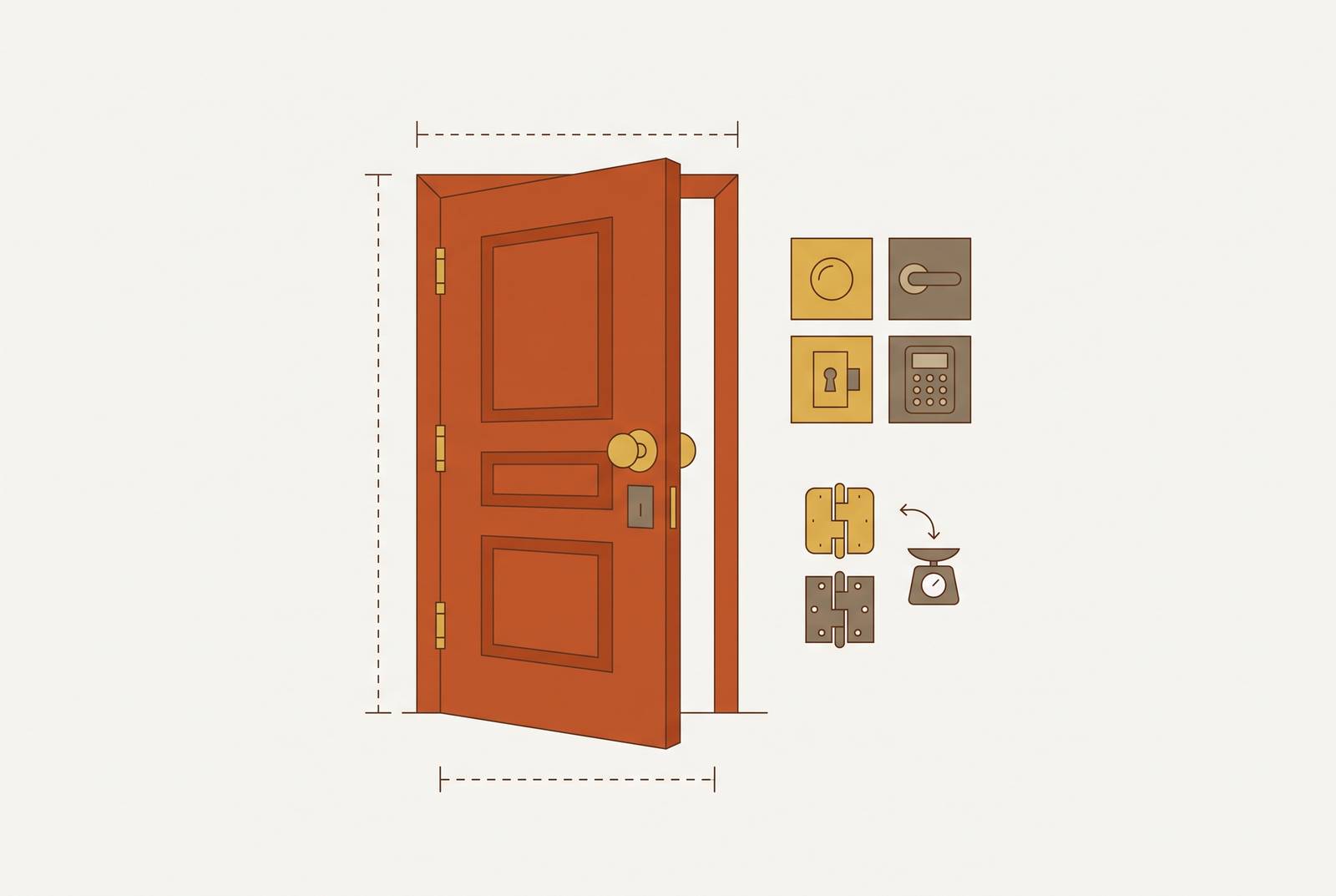
Division 8 estimating, the takeoff work behind doors, frames, and hardware, has a document reconciliation problem that most measurement software was never built to solve. PlanSwift traces lines on a plan and exports counts to a spreadsheet, and that's a fine model for drywall or flooring. It falls apart the moment an estimator has to match "HW-3" on a floor plan against a hardware set buried in a spec addendum, because the plan and the spec were never designed to talk to each other. This piece walks through what the general takeoff tools actually do for a door and hardware estimator, where trade-specific platforms pick up the slack, and what the surrounding software (distributor quoting, PDF markup) can and can't be asked to do.
What makes Division 8 takeoff genuinely different from measuring walls and floors
Door and hardware estimating is often called the hardest takeoff in commercial construction, and the reason has nothing to do with volume. A drywall estimator counts square footage off one or two consistent documents. A door estimator has to hold ten different documents in mind at once, none of which tells the whole story by itself: the door schedule, floor plans, wall types, reflected ceiling plans, room data sheets, life-safety drawings, finish schedules, hardware sets, the Division 08 71 00 spec section, plus whatever addenda and consultant sketches came in after bid day.
Each opening on a door schedule carries its own bundle of attributes, size, material, core type, fire rating, frame type, plus whatever special conditions apply to that one door. The hardware schedule, sitting inside the spec rather than on the drawings, defines what's actually in a hardware set like "HW-3": hinges, closer, lockset, exit device, and the catalog numbers and finish codes attached to each. Neither document is optional and neither is sufficient on its own.
The actual work is reconciliation. An estimator sees "HW-3" tagged to a door on the plan, flips to the spec to read every item in that group, checks quantities and finish codes, then goes back to the floor plan to confirm the location, the handing, and the frame type all agree. Missing that loop on even a handful of openings across a large hospital job makes the estimate wrong in a way that a clean-looking spreadsheet won't reveal until the change orders start.
What a general-purpose takeoff tool can and cannot do for a Division 8 estimator
General-purpose platforms measure whatever an estimator points them at, accurately. That's not a small thing. The gap sits somewhere else: in what these tools cannot see unless a person tells them to look.
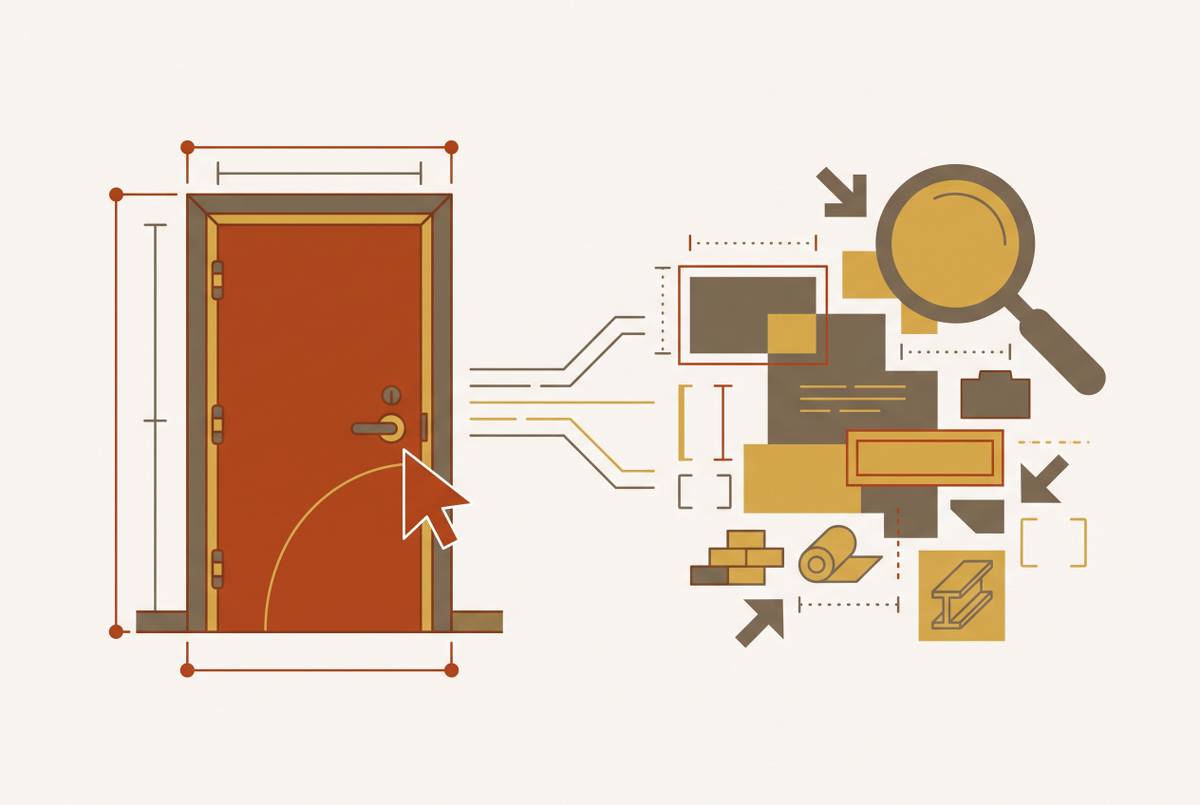
PlanSwift's drag-and-drop assemblies let an estimator build out counts from a PDF or CAD plan, and that's a genuinely useful feature for raw speed without giving up quantity accuracy. But the tool has no sense of what "correct" looks like. It counts what it's shown. Skipping a sheet, misreading a hardware group letter, or missing a spec revision that came in three weeks after the original bid set makes the count come up short with nothing in the software flagging that anything's wrong. The tool doesn't know what it doesn't know, and that phrase isn't a metaphor here: it's a literal description of how the software behaves.
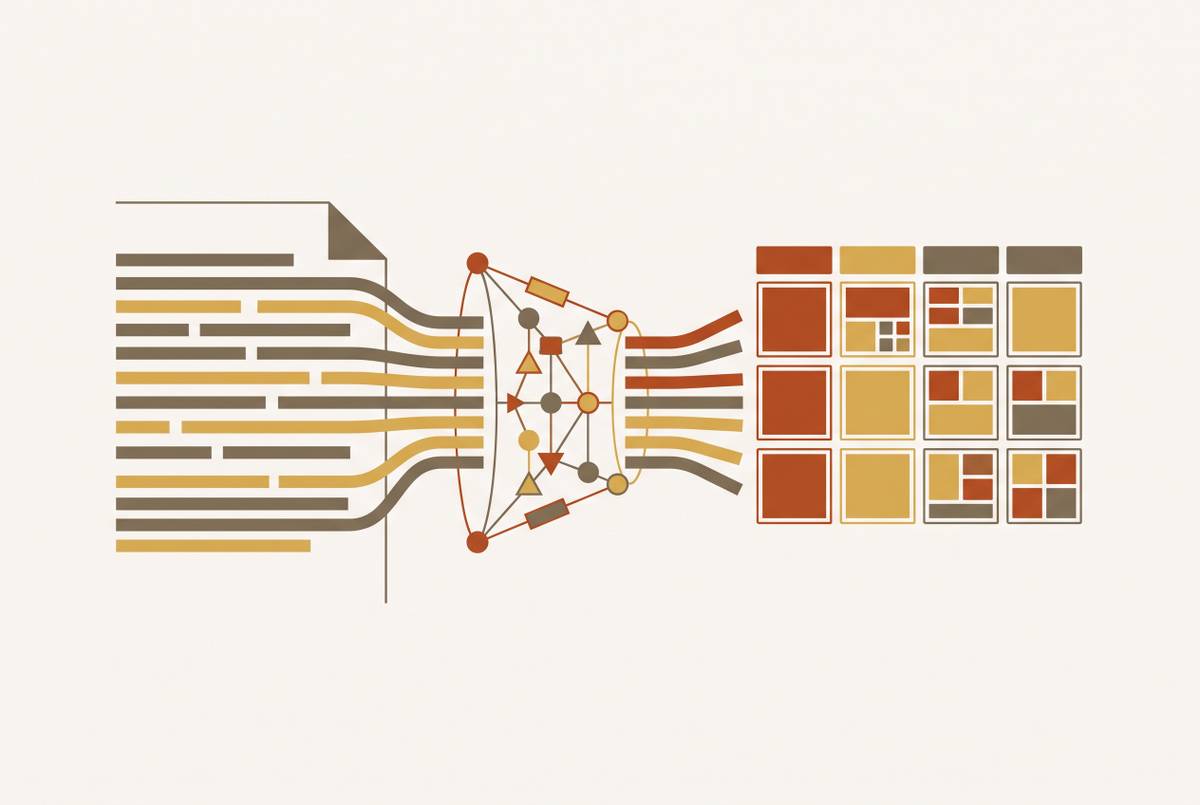
Newer AI-assisted detection features change the counting task, not the reconciliation task. Auto-detection tools built into some cloud takeoff platforms can identify doors, windows, rooms, and walls directly off a plan set, and independent testing has put that detection within about 3% of baseline measurements, which is a real gain for anyone tired of manually clicking every opening on a 30-sheet set. But detecting that a door exists on a floor plan does not confirm that the hardware group assigned to that door matches what the spec actually requires. Counting and reconciling are two different jobs, and no general-purpose tool on the market claims to do the second one.
The tools built specifically for doors, frames, and hardware
A separate category of software exists that starts from the door schedule and the hardware spec as the native documents, rather than treating them as one more shape to trace on a plan.
DHWin, from Kelleher Corporation, has built a name over the years as specialized software for door, frame, hardware, and accessory estimating. It automates the takeoff itself and generates door schedules, bills of materials, and cost estimates from there, backed by a database covering more than 100 manufacturers and over 250,000 individual items, which is the kind of catalog depth a general takeoff tool simply doesn't carry. The tradeoff is that it's Windows-only and carries a reported steep learning curve, so an estimator trades some of the same platform limits that make PlanSwift frustrating for a much deeper fit to the trade.
What ties this category together is the starting assumption. These platforms treat the door schedule and hardware spec as first-class documents to be read and cross-checked. That's a fundamentally different design decision than anything built for general measurement, and it raises the amount of manual reconciliation an estimator still has to do by hand.
Distributor-facing quoting platforms that serve a different part of the Division 8 workflow
A separate tier of software handles what happens after the takeoff is done: pricing, submittals, purchase orders, and tracking a job through to completion. These platforms aren't competing with takeoff tools so much as picking up right where takeoff leaves off.
DoorBoss has been cloud-based since it launched, reachable from any browser or phone rather than tied to one desktop. Its "Rapid Quotes" feature is built for a specific and common problem in hardware distribution: low-probability jobs where a distributor wants to bid without sinking hours into a full estimate. Adding in automated elevation drawings and a full project management and change order process makes DoorBoss read less like a takeoff tool and more like a life-cycle management system for the deal once quantities exist.
TRUE runs in a similar lane, serving the business and project management side of hardware distribution rather than the takeoff side. It's a business management layer sitting over the estimating work.
Pricing lag is a structural limit both platforms share. Any system that prices hardware against manufacturer price books has to digitize, validate, and load every catalog update by hand, and that process doesn't happen instantly. Accounts from within the trade put system pricing somewhere between a month and a full quarter behind the manufacturer's actual book at any given time. That gap doesn't appear anywhere in the output; a quote can look precise to the penny and still be pricing last quarter's numbers. Pricing from catalog databases is a structural fact, not a knock on any one platform's build quality. It's a structural fact about pricing from catalog databases, and it matters for any estimator whose margin depends on knowing today's hardware cost rather than last month's.
General commercial takeoff platforms worth knowing, and what they offer Division 8
These platforms do real work for plenty of trades and plenty of estimators. The fair question for a Division 8 estimator specifically is what each one delivers against the reconciliation standard laid out above.
One cloud-based, browser-first platform, carrying over 1,300 verified reviews averaging 4.5 out of 5 on Capterra, offers an AI Assist feature that auto-detects doors, windows, rooms, and walls, with reported detection accuracy that represents a real gain for anyone tired of manually clicking every opening on a large plan set. Its estimating module and assembly library, plus real-time collaboration across a team, make it a natural landing spot for anyone leaving PlanSwift's older desktop workflow behind. Entry pricing runs $2,599 to $2,999 a year. For counting openings fast, it's strong. For checking that a hardware set assigned to a door on the plan matches what the spec says that set should contain, it offers nothing, because that was never the job it was designed for.
On-Screen Takeoff sits as PlanSwift's closest desktop competitor, sharing a corporate parent with PlanSwift today. It handles click-and-drag measurement of linear footage, square footage, and item counts, and integrates with a companion bidding tool. A newer AI feature, marketed as a fast first-pass "boost," returns a rough count quickly and then hands the results to a person for review rather than claiming to finish the job unsupervised. Anyone coming from PlanSwift will find the interface familiar, for better and worse, since it carries many of the same desktop-first constraints. It improves the accuracy of counting doors, swings, frames, and hardware items, but it does not read a hardware spec against a door schedule, and it never claimed to.
PDF markup and collaboration software built for the broader AEC industry, used by around one million AEC professionals across the trades, offers count and measurement takeoffs that hold up on large, dense plan sets without crashing, plus tiered plans (roughly $260, $330, and $440 a year depending on tier) where the higher tiers add the ability to link measurements directly into a bid spreadsheet, a genuinely useful bridge between markup and estimate. That's a genuinely useful bridge between markup and estimate. What it isn't is a door hardware estimating system. There's no product library, no hardware selection logic, no fabrication output. It's built for markup and measurement, and it does that job well, but an estimator using it for Division 8 work still needs a separate pricing and reconciliation workflow sitting alongside it.
Taken together, the pattern across every category here holds steady. General measurement tools count accurately and reconcile nothing. Distributor platforms manage the deal well and inherit a pricing lag baked into how catalog data works. The tools built specifically for doors, frames, and hardware are the only ones treating the schedule-to-spec reconciliation as the actual job, and that's the line worth drawing before picking software for this trade.